All-Star Weekend Betting - Pure Entertainment Value
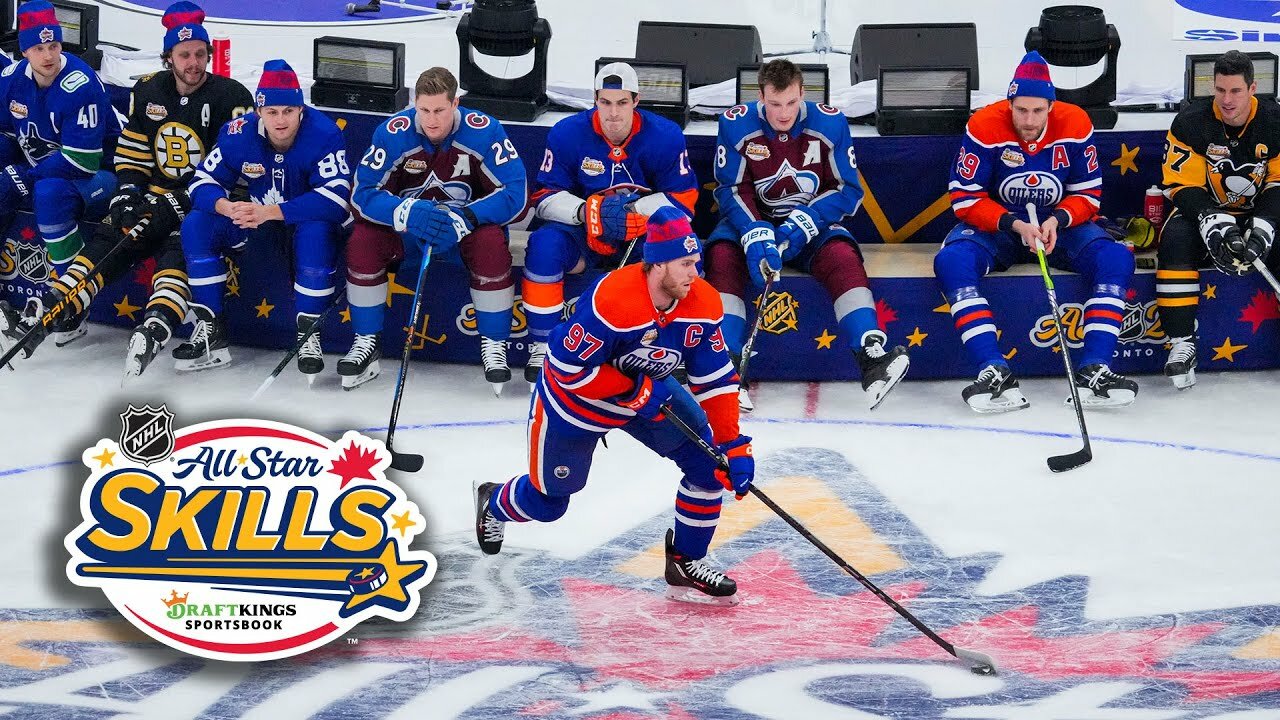
The NHL All-Star Weekend is the loosest, most unpredictable event on the hockey calendar. Players are there to have fun, defense is optional, and outcomes are determined more by effort level than talent. From a betting perspective, it's a minefield of variance wrapped in an exhibition bow. Yet with the right approach, All-Star weekend offers unique entertainment value betting opportunities that don't exist anywhere else in hockey.
The All-Star Game Itself
Betting the All-Star game seriously is a recipe for frustration. Players don't hit, rarely backcheck, and goalies are trying not to get injured by giving maximum effort. The game is a glorified scrimmage where final scores regularly reach double digits. That said, the over total is about as reliable as any All-Star bet gets.
The over has cashed in 14 of the last 17 All-Star games. Bookmakers set totals around 12-13 goals trying to balance action, but these games routinely see 15-18 goals. Nobody plays defense, power plays get extended, and shooters are launching from everywhere. If you're betting the All-Star game, the over is the only semi-reliable angle.
Skills Competition Betting
The skills competitions provide more interesting betting opportunities than the game itself. Fastest Skater, Hardest Shot, Accuracy Shooting - these events feature players genuinely competing rather than going through the motions. Motivation exists because pride is on the line, even if money isn't.
Fastest Skater Event
Betting the Fastest Skater competition requires understanding who takes it seriously. Some players train specifically for this event and care deeply about winning. Others show up cold and treat it as a fun lap around the rink. Researching which players have competed before and how they approached it provides edges.
Connor McDavid typically dominates when he competes, making him a perpetual favorite. However, his odds are usually prohibitively short - you're risking significant money to win little. I prefer targeting players with elite straight-line speed who are being underestimated: guys like Jordan Kyrou or Mathew Barzal at +600 offer better risk-reward than McDavid at -150.
Hardest Shot Competition
Hardest Shot betting is essentially a crapshoot because you're predicting who gets the best reading on a single slap shot. Variables like stick flex, puck position, and even arena temperature affect outcomes. The player with the hardest shot doesn't always win - the player who gets the cleanest connection that particular night does.
That said, defensemen historically dominate this event. Big-bodied blue-liners with long levers generate more velocity than forwards. When betting Hardest Shot, I bias toward defensemen in the +400 to +800 range rather than betting favorites. The variance is so high that taking longshots makes more sense than backing chalk.
Accuracy Shooting Analysis
Accuracy Shooting is my favorite skills comp for betting because skill actually matters and the format is consistent. Players shoot at targets, and the fastest to hit all targets wins. This rewards both accuracy and quick release, making it less random than Hardest Shot.
I look for players known for exceptional accuracy who also have quick releases. Leon Draisaitl, Brayden Point, and Mitch Marner are perennial threats in this event. When these players are listed at +400 or better, I take positions because their actual win probability is higher than the odds suggest.
One edge: check whether players have practiced this event recently on social media. Some players take skills competitions seriously and practice beforehand. Others show up cold. That preparation differential matters more than raw talent differences at the NHL level.
Breakaway Challenge
The Breakaway Challenge is pure entertainment and nearly impossible to bet profitably. Outcomes are determined by judges voting on creativity and execution, which is subjective and unpredictable. I avoid betting this event entirely because the variance is too extreme and edges don't exist.
Save Streak Competition
When offered, Save Streak betting creates interesting opportunities. Goalies face shooters in succession until scored upon, with the longest save streak winning. This event actually matters to goalies - their pride is on the line publicly, and they compete genuinely.
I favor goalies known for elite reflexes rather than positioning-based goalies. The shooters are using their best moves, so being able to make spectacular reflex saves matters more than fundamental technique. Quick, athletic goalies like Igor Shesterkin or Connor Hellebuyck are my targets here.
Prop Betting Opportunities
Beyond individual event winners, books offer creative props during All-Star weekend. Will there be a hat trick in the game? How many goals in the first period? Which division scores first? These props are often softer than regular season markets because oddsmakers put minimal effort into All-Star content.
The best prop bet is usually hat trick YES. In a game where 16+ goals are scored and players are taking shifts with elite linemates, someone is scoring three. The odds on this prop are typically +200 to +300, which undervalues the probability given the offensive environment and lack of defensive accountability.
Betting Limits and Bankroll Allocation
All-Star betting should represent minimal bankroll allocation - I never bet more than 0.5% of my total bankroll on any single All-Star wager. The variance is too high and edges are too small to justify larger positions. This is entertainment betting, not serious professional wagering.
I cap my total All-Star weekend betting at 2-3% of bankroll across all events combined. The goal isn't significant profit - it's having action to make watching more engaging while accepting that long-term EV is probably negative. Think of it as paying for entertainment rather than investment.
For principles on bankroll management, my article on building a betting bankroll with discipline covers broader strategy.
What to Avoid Betting
Never bet All-Star game moneylines. The 3-on-3 tournament format means games are decided by which team happens to have their stars caring more that particular 10-minute span. There's no edge to be found, just pure randomness disguised as competition.
Also avoid MVP betting. MVP is determined by media votes after the game, often going to whoever had the most highlight-reel moments rather than actual best performance. Trying to predict what will impress voters enough to win MVP is futile - save your money.
Live Betting During Events
Live betting the All-Star game itself offers some entertainment value. When a team falls behind early, their live odds drift significantly despite the game being meaningless and teams capable of scoring in bunches. If you must bet the game, live betting the trailing team after they fall down 3-0 offers better odds than pregame moneylines.
However, recognize this is pure gambling rather than skilled betting. The trailing team might continue not trying, or they might suddenly care and storm back. Predicting effort level in an exhibition game is impossible. Bet tiny amounts purely for sweat purposes.
Regional Bias in Voting Events
For events with fan voting components, regional bias creates exploitable angles. Players from major markets like Toronto, New York, or Montreal get disproportionate fan support. When betting events where fan votes matter, favor players from large Canadian markets - their fan bases vote aggressively.
This bias disappeared in pure skills competitions but matters in selection and recognition. If betting who makes the All-Star team next year or similar future markets, weight toward high-profile markets regardless of pure skill level. Popularity wins votes, and certain markets generate outsized popularity.
The Entertainment vs Profit Balance
The honest reality of All-Star betting is that you're unlikely to make serious money. The events are too random, the odds too tight, and the variance too extreme. Anyone claiming to have a systematic edge on All-Star betting is either lying or deluding themselves.
The value proposition is entertainment, not profit. Having $10 on McDavid to win Fastest Skater makes watching more fun. Having $20 on the over makes the game engaging rather than boring. Just don't fool yourself into thinking this is profitable long-term betting strategy.
I approach All-Star weekend as a break from serious betting. It's a chance to make fun bets, root for individual players, and enjoy the spectacle without the stress of real money on the line. The small bets add engagement without risking meaningful portions of my bankroll. That's the correct mental framework for All-Star betting.