Playoff Overtime Betting Strategies That Work
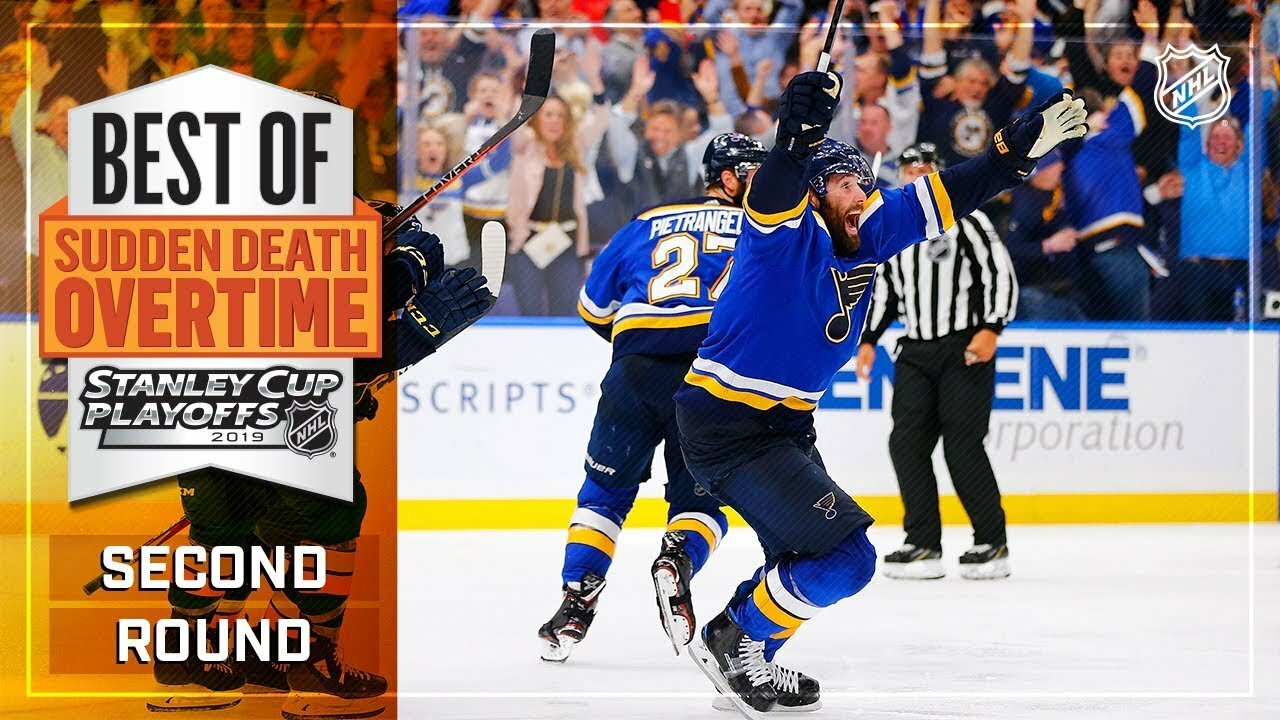
Playoff overtime hockey is the purest form of sudden death sports drama. One shot, one bounce, one moment decides everything. From a betting perspective, overtime represents both massive opportunity and significant danger. The variance is extreme, the edges are thin, and emotional decision-making destroys more bankrolls than in any other betting scenario. Here's how I approach OT betting after years of painful lessons.
Understanding Playoff Overtime Dynamics
Playoff overtime is fundamentally different from regular season overtime. There's no shootout safety net - teams play continuous 20-minute periods until someone scores. This creates a unique psychological and strategic environment that smart bettors can exploit.
The most important statistical insight: playoff overtime games are decided in the first 10 minutes at a significantly higher rate than minutes 11-20. According to NHL data, approximately 65% of playoff overtime goals come in the first overtime period, and within that period, 58% come in the first 10 minutes. Teams are fresh, aggressive, and making mistakes. The longer overtime extends, the more conservative teams become.
Live Betting When Games Go to Overtime
My most profitable overtime betting strategy involves waiting for the game to go to OT before placing bets. Once the game is tied after regulation, odds reset and provide fresh opportunities. The team that had momentum late in the third period typically sees their live odds shorten despite the game being deadlocked.
I fade that momentum bias. If a team dominated the third period and pushed for the tying goal, they're often exhausted entering OT. Their odds might be -140 despite the score being tied. Meanwhile, the team that played defense for 15 minutes in the third is rested and dangerous at +120. This fatigue factor is chronically underpriced by live betting odds.
Goaltender Fatigue Indicators
Goaltender performance in overtime is heavily influenced by workload. A goalie who faced 18 shots in the third period is mentally and physically drained compared to one who saw 6 shots. I track third-period shot totals religiously for overtime betting purposes.
When there's a significant shot discrepancy in the third period - say 15-6 or worse - I bet on the team whose goalie faced fewer shots. The fresh goalie has better positioning, quicker reflexes, and more confidence. This edge is especially pronounced in the first 5 minutes of overtime when scoring chances spike.
Home Ice in Overtime
Home ice advantage exists in overtime but is smaller than most bettors assume. Home teams win approximately 52% of playoff overtime games versus 54% in regulation. The last change advantage matters less in continuous 4-on-4 or 5-on-5 play, and refereeing tends to be more balanced in OT to avoid controversy.
Where home ice does matter is in the mental aspect. Home teams play looser and more aggressively, willing to take risks for the win. Road teams often play conservatively, trying to survive to the next OT period. This stylistic difference makes home teams better live betting targets in the first overtime period specifically.
The Multiple Overtime Reality
When playoff games extend to double or triple overtime, all conventional analysis breaks down. At that point, you're betting on randomness disguised as hockey. Which player gets a lucky bounce, which team makes a mental error from exhaustion - these aren't predictable factors.
I stop betting once games reach third overtime. The variance is too extreme and edges disappear completely. Players are running on fumes, coaches have exhausted their tactical options, and outcomes are determined by factors impossible to handicap. Recognizing when edges vanish is as important as identifying when they exist.
Star Player Performance in OT
Elite players elevate their games in overtime playoff scenarios. Connor McDavid, Nathan MacKinnon, Auston Matthews - these superstars see ice time increases in OT and often deliver heroics. Betting on teams with clear superstar advantages makes sense in overtime situations.
However, the odds typically price this in. If Edmonton goes to OT, their price reflects that McDavid will play 15+ minutes. The edge comes from identifying which secondary stars perform well in overtime. Players like Brayden Point, Mikko Rantanen, or Bo Horvat who have proven overtime pedigrees but aren't household names create value opportunities.
For deeper analysis on star player betting, see my piece on Connor McDavid's MVP race from a betting perspective.
Coaching Impact in Extended Games
Coaching matters enormously in playoff overtime. Some coaches like Jon Cooper or Bruce Cassidy excel at managing bench rotations and making tactical adjustments in extended games. Others become predictable or make questionable decisions under pressure.
I maintain a database tracking individual coaches' overtime records and decision-making patterns. Coaches who trust their stars with extended shifts tend to win more overtime games than those who roll four lines evenly. When there's a coaching mismatch - an elite bench boss versus an inexperienced coach - that's an exploitable edge worth 5-10% additional win probability.
Avoiding the Overtime Prop Trap
Many sportsbooks offer "Will the game go to overtime?" props at odds ranging from +200 to +350. While tempting, these are generally -EV bets. The books price them accounting for correlation with tight playoff games, and the vig is substantial.
The only time I bet these props is when I've identified a likely stalemate - two elite defensive teams with hot goaltenders playing conservatively. Even then, I limit stakes because late-period empty-net goals or fluky bounces kill what seems like a certain OT game. The variance doesn't justify the investment most nights.
Series Context Matters
A team facing elimination plays differently in overtime than one leading 3-0 in a series. Desperate teams take more risks, which leads to either quick wins or costly mistakes. Teams with series leads play conservatively, trying to extend OT and win on a safe opportunity.
When an underdog forces overtime in an elimination game, I heavily favor them on the live betting line. They have maximum motivation, just overcame a likely deficit to force OT, and have momentum. The favorite is often deflated from blowing a lead. This psychological edge is real and underpriced.
Betting Against Overtime Fatigue
When teams play multiple overtime games in a series, fatigue accumulates. If Game 3 went to double OT and Game 4 is the next night, both teams are exhausted. However, the team that won the OT game typically has more psychological resilience despite equal physical fatigue.
I track OT results within a series and bet on teams coming off OT wins in the following game. The confidence boost from winning in sudden death carries over and provides a small but real edge. This is especially true in home games where the crowd energy reinforces that positive momentum.
The Mental Game of Overtime Betting
Betting overtime games tests emotional control like nothing else. You watch 60 minutes of hockey, your bet looks good, then one bad bounce in OT wipes it out. The frustration is real, and tilting is easy. Maintaining discipline when overtime goals destroy otherwise solid bets determines long-term success.
I combat this by treating regulation and overtime as separate betting events mentally. If my regulation moneyline bet loses in OT, I don't view it as a "bad beat" - I view it as a bet that simply didn't hit. Overtime is part of the sport, not some cruel twist of fate. This mental framing prevents tilt and keeps decision-making rational.
For more on managing betting psychology, my article on learning from losing streaks and the mental game covers similar territory.
The Reality of Overtime Betting ROI
My honest assessment after years of overtime betting: the edges are small and variance is massive. My long-term ROI on overtime-specific bets is approximately 3%, compared to 7% on regulation hockey betting. The juice and randomness eat into profits significantly.
However, overtime games provide entertainment value and keep you engaged in the playoffs. If you're going to bet overtime, do it with reduced stakes, strict rules, and acceptance that variance will be brutal. Some nights you'll hit a +180 dog in double OT and feel like a genius. Other nights a deflection ends your bet in 47 seconds.
The key is process over results. If your overtime betting strategy is sound - fading fatigue, identifying coaching edges, respecting variance - the results will be acceptable over time even if individual games feel like coin flips. Just don't expect to get rich betting playoff overtime. The goal is controlled entertainment with marginally positive expectation.