Goaltender Performance as Betting Indicators
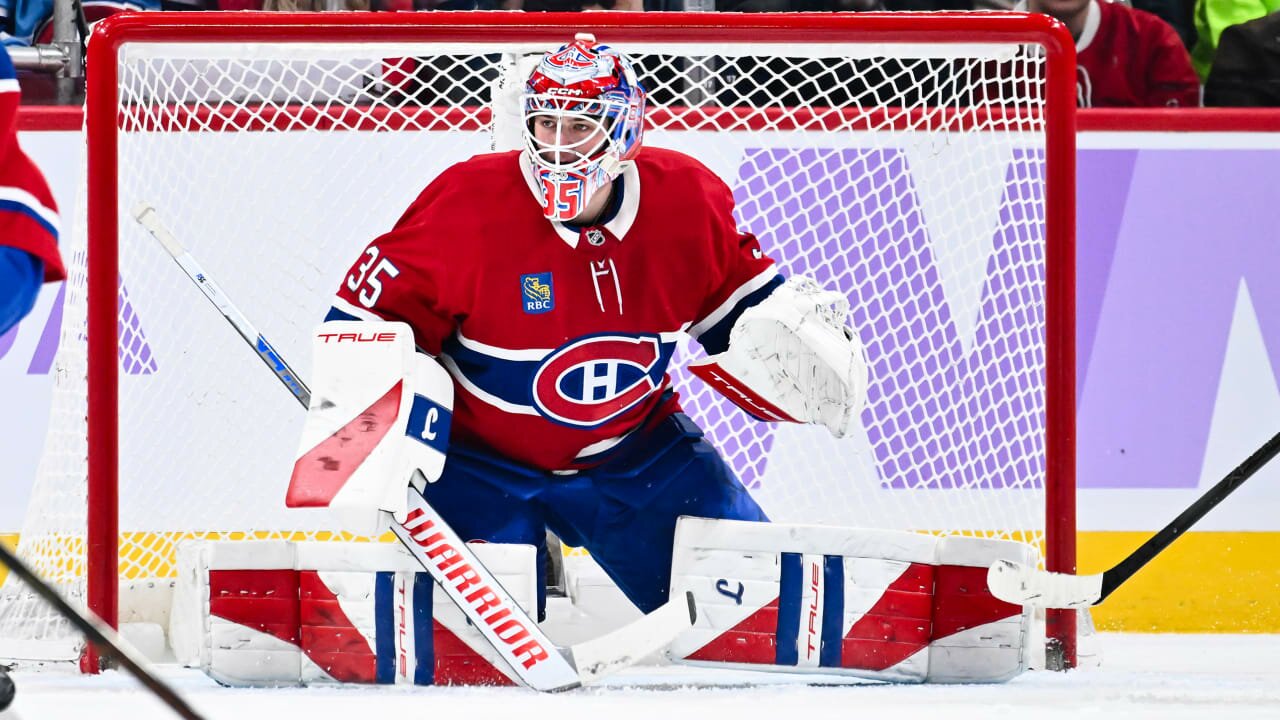
In hockey betting, nothing matters more than goaltending. You can have the most explosive offense and elite defensemen, but if your goalie has an off night, you're probably losing. I've spent years developing a systematic approach to evaluating goaltender performance for betting purposes, and it's transformed my win rate on totals and moneylines alike.
Beyond Basic Save Percentage
Most casual bettors look at save percentage and think they understand goalie quality. They don't. Save percentage is heavily influenced by team defense, shot quality against, and sample size variance. Two goalies with identical .915 save percentages can be dramatically different in terms of actual performance and future expectations.
I focus instead on Goals Saved Above Expected (GSAx), a metric that accounts for shot quality. A goalie facing mostly perimeter shots will have a high save percentage without being particularly good. GSAx reveals which goalies are actually stopping pucks they're expected to let in versus simply facing low-danger shots.
Recent Form vs Season-Long Stats
Goaltenders are streaky in ways that other positions aren't. A goalie can be mediocre for two months, catch fire for three weeks, then regress again. Betting based on season-long statistics misses these hot and cold stretches that determine short-term outcomes.
I weight the last 10 starts heavily when evaluating goalies. If a netminder has posted a .930 save percentage over his last 10 games versus a .905 seasonal average, he's clearly playing better than his overall numbers suggest. Riding hot goalies and fading cold ones is foundational to profitable hockey betting.
Matchup-Specific Performance
Certain goalies perform dramatically better or worse against specific opponents. Maybe a team's shooting style exploits a goalie's weakness - low shots against a goalie who struggles in the butterfly, or high shots against one with slower glove hands. These matchup-specific tendencies persist across multiple meetings.
I maintain a spreadsheet tracking individual goalie performance against each NHL team. When I see that a goalie has a .880 save percentage across five career starts against a specific opponent, that's a massive red flag. Conversely, a goalie with a .945 save percentage against a team signals a potentially exploitable edge.
Starter vs Backup Situations
The drop-off from NHL starters to backup goalies is often severe, and betting markets don't fully account for this. When a team's starting goalie is injured or rested and a backup gets the call, the team's win probability decreases significantly more than the odds reflect.
However, not all backups are created equal. Some backup goalies are capable NHL starters who simply sit behind elite netminders. Others are career AHLers getting spot starts. Distinguishing between these types and betting accordingly creates edges. I target backup goalie situations aggressively based on individual backup quality.
Back-to-Back Game Analysis
Goalie performance on back-to-back nights is one of my favorite betting angles. Starting goalies almost never play both games of a back-to-back, meaning you're getting the backup on night two. Even when the starter does play both games (usually a desperation move), fatigue significantly impacts performance.
I automatically look for teams playing the second night of a back-to-back and evaluate their backup goalie. If the backup is weak and they're facing a quality offensive team, that over total becomes extremely attractive. Some of my highest-ROI bets come from exploiting backup goalie spots in totals markets.
Workload and Fatigue Tracking
Starting goalies who play 65+ games per season show measurable performance decline in the final two months. The physical and mental grind takes its toll. I track starts per season for all goalies and look for workhorse netminders showing fatigue in March and April.
When a goalie who's started 55 games by early March is facing his 60th start against a top-10 offense, I'm betting that over total without hesitation. The fatigue is real and shows up in slower reflexes, poorer positioning, and increased goals allowed. Books don't adjust totals sufficiently for goalie fatigue.
Home vs Road Splits
Goaltenders often have dramatic home/road splits that persist across seasons. Some goalies feed off home crowd energy and post elite numbers at home while struggling on the road. Others are road warriors who thrive in hostile environments but are merely average at home.
I've found that rookie and young goalies particularly struggle on the road. The hostile crowd, unfamiliar arena sight-lines, and different ice conditions affect less experienced netminders more. When a young goalie is making his third career road start against a playoff team, fading him is usually profitable.
Goalie Confidence Indicators
Goaltending is intensely psychological. A goalie coming off a shutout plays with visible confidence - challenging shooters, being aggressive, tracking pucks cleanly. A goalie coming off allowing 5+ goals shows tentative body language - deep in the crease, hesitant on pucks, playing reactively rather than reading plays.
While harder to quantify than statistical metrics, watching goalies for body language and confidence indicators provides real information. A goalie who got pulled in his last start and is making a quick return often lacks confidence. The first shot he faces becomes critical - if it beats him, the floodgates often open.
Tracking Momentum Swings
Within games, watching how goalies respond to goals against reveals their mental strength. Elite goalies make a huge save immediately after allowing a goal, stopping momentum shifts. Weak goalies collapse and allow goals in bunches. This pattern repeats predictably across a goalie's career.
For live betting purposes, when a goal-in-bunches goalie allows one, I immediately look to bet the over or the opposing team. The likelihood of another goal against in the next 5 minutes is dramatically higher than base rates suggest. Exploiting these momentum swings in live markets has been consistently profitable.
Advanced Metrics That Matter
Beyond GSAx, I track several advanced goalie metrics. High-Danger Save Percentage (HDSV%) reveals which goalies excel in the hardest situations. If a goalie has a low overall save percentage but elite HDSV%, they're facing high-quality chances and actually performing well. Their team's defense is failing them.
Goals Saved Above Average (GSAA) on the power play specifically is also telling. Penalty kills live and die by goaltending, and PK-specialist goalies provide enormous value. When a team with an elite PK goalie faces an opponent on a power play slump, the PK success rate bet becomes attractive.
Injury and Health Considerations
Goalies playing through minor injuries are common but rarely disclosed. I watch for subtle indicators - reduced mobility, hesitation going post-to-post, slower recovery after going down. A goalie with a lower-body injury won't move laterally as effectively, making East-West passes more dangerous.
When I suspect a goalie is injured based on movement patterns, I target that over total or bet the opponent. Injured goalies almost never admit it publicly, but the performance decline is visible if you watch closely. Books can't account for injuries they don't know about, creating exploitable edges.
Playoff Goalie Evaluation
Playoff goaltending requires different evaluation than regular season. The pressure intensifies, shooters are more skilled (no bottom-feeder teams in playoffs), and every mistake is magnified. Some goalies elevate their games in playoffs while others crumble under the spotlight.
I heavily weight historical playoff performance when betting postseason games. A goalie with a track record of playoff success is worth significant premium over one making their playoff debut, regardless of regular season stats. Proven playoff goalies have mental toughness that statistics don't capture but determines outcomes.
For playoff betting strategies, see my piece on playoff overtime betting strategies which discusses goalie evaluation in high-pressure situations.
Betting Strategy Integration
My goalie-focused betting strategy centers on three primary approaches. First, bet overs when weak goalies face strong offenses, especially in backup situations. Second, bet unders when elite goalies face weak offenses, particularly at home. Third, bet moneylines when there's a significant goalie mismatch that odds don't fully reflect.
The most profitable situations combine multiple factors - a fatigued backup making his road debut against a top-5 offense. When these perfect storms align, I increase bet sizing because the edge is substantial. Finding these multilayered goalie mismatches is the holy grail of hockey betting.
Common Betting Mistakes to Avoid
The biggest mistake bettors make is ignoring goaltending entirely and betting based only on team quality. The second biggest mistake is overvaluing big-name goalies having down years while undervaluing emerging young goalies playing well. Reputation lags performance, creating market inefficiencies.
Another common error is failing to confirm starting goalies before betting. Goalies are listed as "expected starters" but teams often make last-minute changes. Always verify starters before placing your bet, or you might unknowingly bet on a team starting their AHL call-up goalie.
Goaltender evaluation is complex and time-consuming, but the edges are real and substantial. Hockey is a goalie-driven sport more than fans like to admit. The team with better goaltending usually wins, all else being equal. Building a sophisticated framework for evaluating netminders transforms betting from guesswork into informed analysis.